Loading your support space
Bringing the page into view.
Guiding Light is gathering resources, community updates, and the next best steps for this page.
Loading your support space
Guiding Light is gathering resources, community updates, and the next best steps for this page.
Autism-focused support, community, and trusted resources
Create a profile, save the resources that matter most, and discover support that feels more relevant to your stage of life, goals, and day-to-day needs.
Guiding Light
Support made personal
Create a profile to save resources and surface options that fit your stage of life, location, and current goals.
Community conversations
Topic-based groups help members ask for support, celebrate progress, and learn from people who understand real life.
Trusted guidance
Therapists, educators, and advocates can share workshops, answers, and resources while community voices stay central.
Why Guiding Light Exists
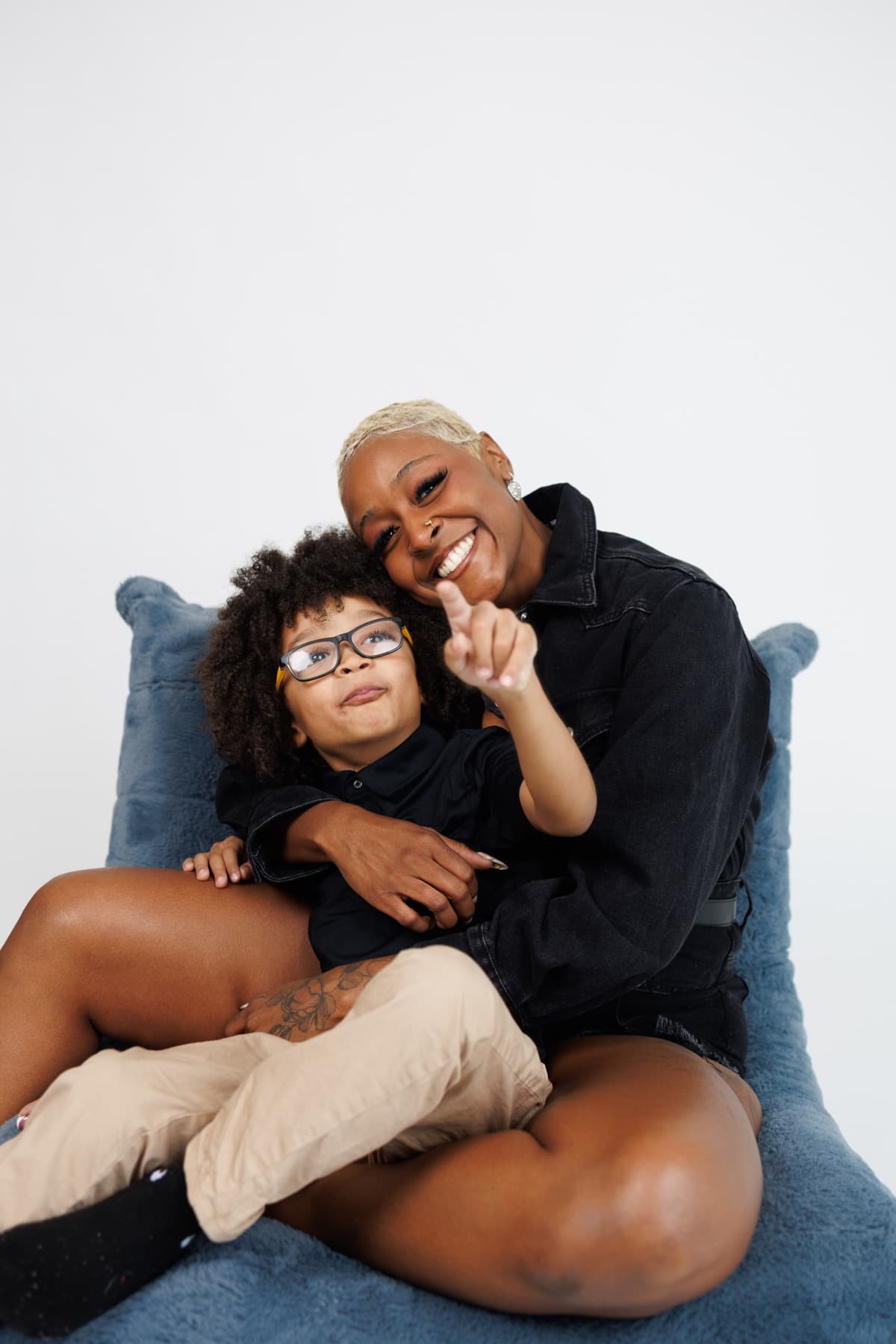
Motherhood is a blessing, and it can also be deeply challenging to navigate. You want the world to see your little one the way you do: loving, special, and full of possibility. In the hardest moments, hope becomes its own kind of strength, helping you keep going and trust that things can turn out okay.
My son was diagnosed at the age of two and a half. We are homeschooling right now, and we were fortunate to receive ABA services as quickly as we did. Even with that support, I learned early on that I would not have made it without community.
As a 32-year-old single mother navigating co-parenting, I have been deeply blessed by a village that showed up for us, especially the wonderful, intentional therapists who have walked beside our family over the last four years. Guiding Light is the space I wanted to create for other families and autistic people who need connection, encouragement, and real-life support.




Global voices
Families across the world use different words, but many of the hopes sound familiar: belonging, dignity, support, and being seen sooner and more fully.
Languages
Browse official and organization-used terms from Europe, Asia, the Middle East, North America, and South America.
Perspectives
Compare how different communities talk about dignity, belonging, quality of life, and support that fits the person.
Representation
Read linked articles and source-backed notes on diagnosis access, equity, and public stories from people speaking openly about autism.
Queer and LGBTQIA+
The global voices page now also includes affirming LGBTQIA+ autistic support resources and creator references from public community voices.
Start here
When the next step feels bigger than the search, guided pathways can help turn a hard season into a calmer order of action.
Start here
A calmer first path for families figuring out evaluations, early support, school questions, and what to do next without carrying it all alone.
School support
A step-by-step path for families preparing for school meetings, IEPs, evaluations, accommodations, and a clearer school-home support picture.
Daily life
A practical path for the small but important parts of life: regulation, communication tools, outings, haircuts, routines, and calmer everyday planning.
Helpful places to start
These starting points bring together the kinds of support families often end up searching for across multiple tabs.
School Help • 6 links
Open school district, IEP, consent, and insurance coverage links that can help you start the right conversations sooner.
Haircuts • 4 links
Open haircut prep guides, provider finders, and local salon options without having to dig through everything else first.
Online Play • 2 links
Find autistic-friendly gaming and low-pressure online connection options families can explore from home.
PBS Picks • 2 links
Open PBS resources for younger children, family viewing, and autism-related storytelling without searching all over again.
Learning • 2 links
Keep evidence-informed learning tools and child-friendly learning options in one calmer place.
Caregiver Help • 4 links
Jump straight to official caregiver, disability, and family-support programs without needing a separate checklist.
Outings • 7 links
Find official DAS, assisted access, maps, and quiet-room guidance before a bigger family day out.
Playplaces • 5 links
Look through indoor gyms, sensory hours, and inclusive venue finders before leaving home.
Downloadable app
Guiding Light can now live on a phone, tablet, or desktop home screen so support is easier to return to without hunting through browser tabs.
The app install flow is live for supported mobile and desktop browsers, with iPhone-friendly steps included.
Guided Pathways, saved resources, and community conversations are easier to revisit when Guiding Light lives on your device.
Downloadable app
On most Android phones and many desktop browsers, the install option appears in the address bar or browser menu.
Use Chrome or Edge, then choose Install App from the browser menu or address bar.
Open Guiding Light in Safari, tap Share, then select Add to Home Screen.
Built for every stage
Support is grouped around real-life transitions so it stays relevant from first questions through adulthood.
Ages 0-5
Find early intervention programs, communication support ideas, and family coaching without losing sight of joy and play.
Ages 6-12
Keep IEP planning, classroom tools, sensory strategies, and inclusive extracurricular options in one calm, accessible place.
Ages 13-17
Support identity, friendships, self-advocacy, and transition planning with resources that speak to growing independence.
Ages 18+
Access employment support, independent living resources, relationship guidance, and community opportunities that respect autonomy.
Every stage
Caregivers can find respite ideas, emotional support, and practical planning tools that make the long journey feel less lonely.
How Guiding Light helps
Every part of Guiding Light is meant to make support feel clearer, calmer, and easier to act on.
By Stage of Life
Find early support, school help, transition guidance, adult resources, and caregiver encouragement without sorting through what does not fit.
Made for Your Needs
Search by age, goals, location, and day-to-day needs to find therapies, educational programs, and sensory-friendly options that feel relevant right now.
Community Care
Topic-specific forums, local circles, and guided discussion prompts help families and self-advocates swap advice, celebrate wins, and reduce isolation.
Events Near You
A location-aware event feed highlights webinars, support groups, therapy workshops, and inclusive community gatherings across every age group.
Trusted Professional Guidance
Therapists, educators, coaches, and providers are clearly identified so families know when advice comes from licensed or professional support.
A Respectful Space
Community guidelines, privacy choices, and clear moderation help people participate at a pace that feels comfortable and safe.
Community voices
Browse real conversations, find reassurance, and join in when you are ready.
We want to keep the activity joyful, but the noise and transitions are getting tough. Would love strategies that helped your family.
I want to advocate for myself clearly without feeling like I have to over-disclose. Curious what language has worked for others.
A few calming transitions can make evenings easier. Sharing routines families have reported as especially practical and sustainable.
Trusted professionals
Families can hear from trusted professionals while keeping the warmth and honesty of peer support close by.
Intervention and regulation support
Speech-language pathologists, occupational therapists, counselors, and behavior specialists can share practical guidance, workshops, and family-facing resources shaped by real practice.
School success and inclusion
Teachers, school psychologists, transition coordinators, and learning specialists can share classroom strategies, parent guidance, and school support that families can actually use.
Questions people ask first
A few simple answers can make the first visit feel calmer and clearer.
Yes. Guiding Light is meant to help autistic people, families, caregivers, and trusted professionals reach real support without putting access behind a paywall.
Yes. Guiding Light can be installed from the browser on many phones, tablets, and desktop browsers, so it is easier to reopen support with one tap.
Guiding Light is built for autistic people across the lifespan, parents, caregivers, families, and the professionals who support them.
Start with Guided Pathways. They help turn a big search into calmer next steps like what to prepare, what to ask, and which support links matter first.